
Complete Plan Coverage
Types of Traffic Control Plans
TCP Edge designs all common types of Temporary Traffic Control Plans, fully compliant with state and federal MUTCD standards. Whether it is a simple shoulder closure or a complex freeway shutdown, we have you covered across all 50 states.
Primary Objectives of Every Traffic Control Plan
Regardless of plan type, every TCP we design is built around four non-negotiable objectives established by the MUTCD.
Safety
The foremost goal of every TCP is to protect the safety of road users and workers during temporary activities that may impact normal traffic flow.
Efficiency
TCPs are designed to optimize traffic flow and minimize congestion, ensuring the efficient movement of vehicles through the affected area.
Regulatory Compliance
TCPs must adhere to local, state, and federal regulations, ensuring that all temporary traffic control measures meet legal requirements.
Emergency Response
TCPs include provisions for emergency access and response, allowing for swift assistance by emergency services if needed.
All Plan Types
Every Scenario, Professionally Handled
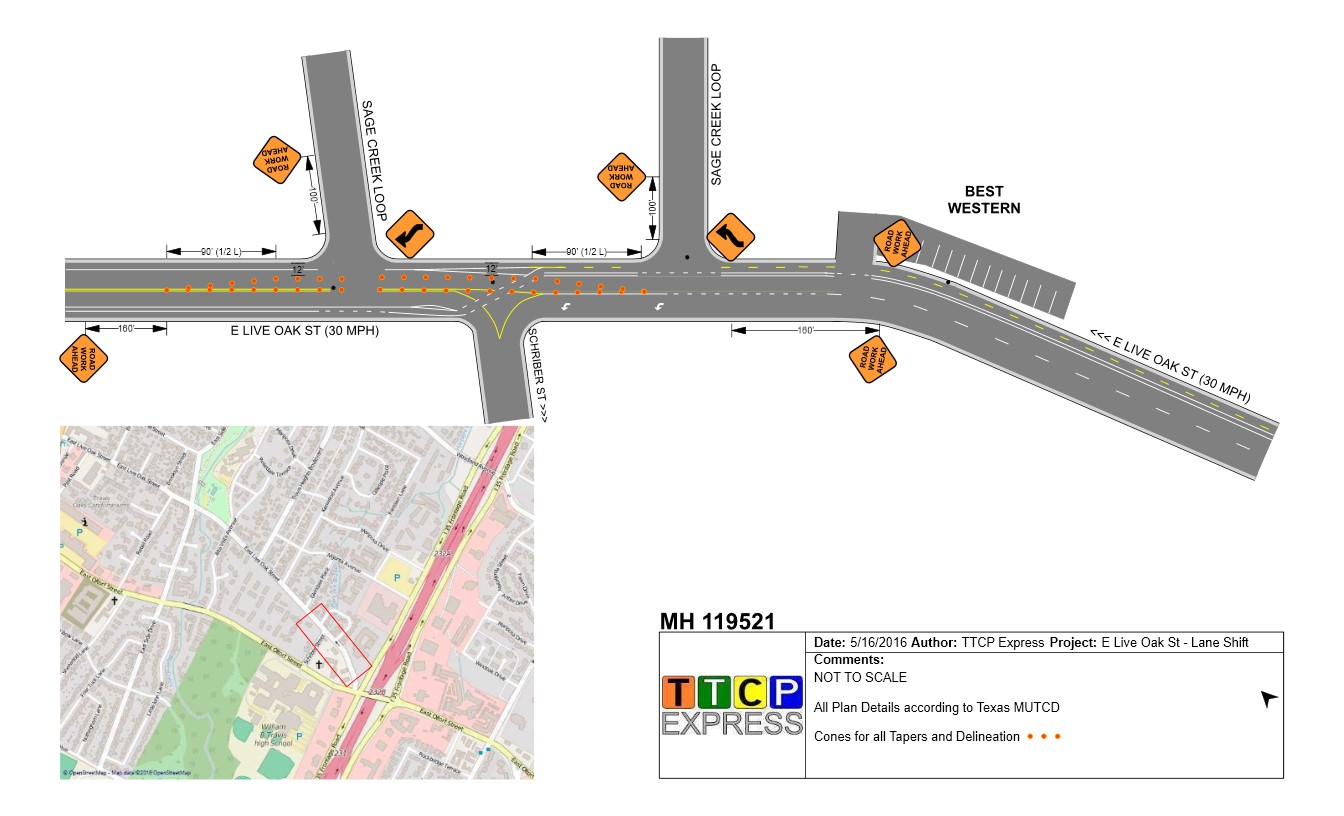
Lane Closure
A lane closure plan is a meticulously designed strategy for managing traffic flow when one or more lanes of a road or highway need to be closed temporarily, for construction, maintenance, or utility work. These plans include proper taper lengths, signage placement, speed limit adjustments, and channelizing device spacing per MUTCD standards. Lane closure plans aim to minimize congestion, maintain safe driving conditions, and guide motorists safely through the work zone.
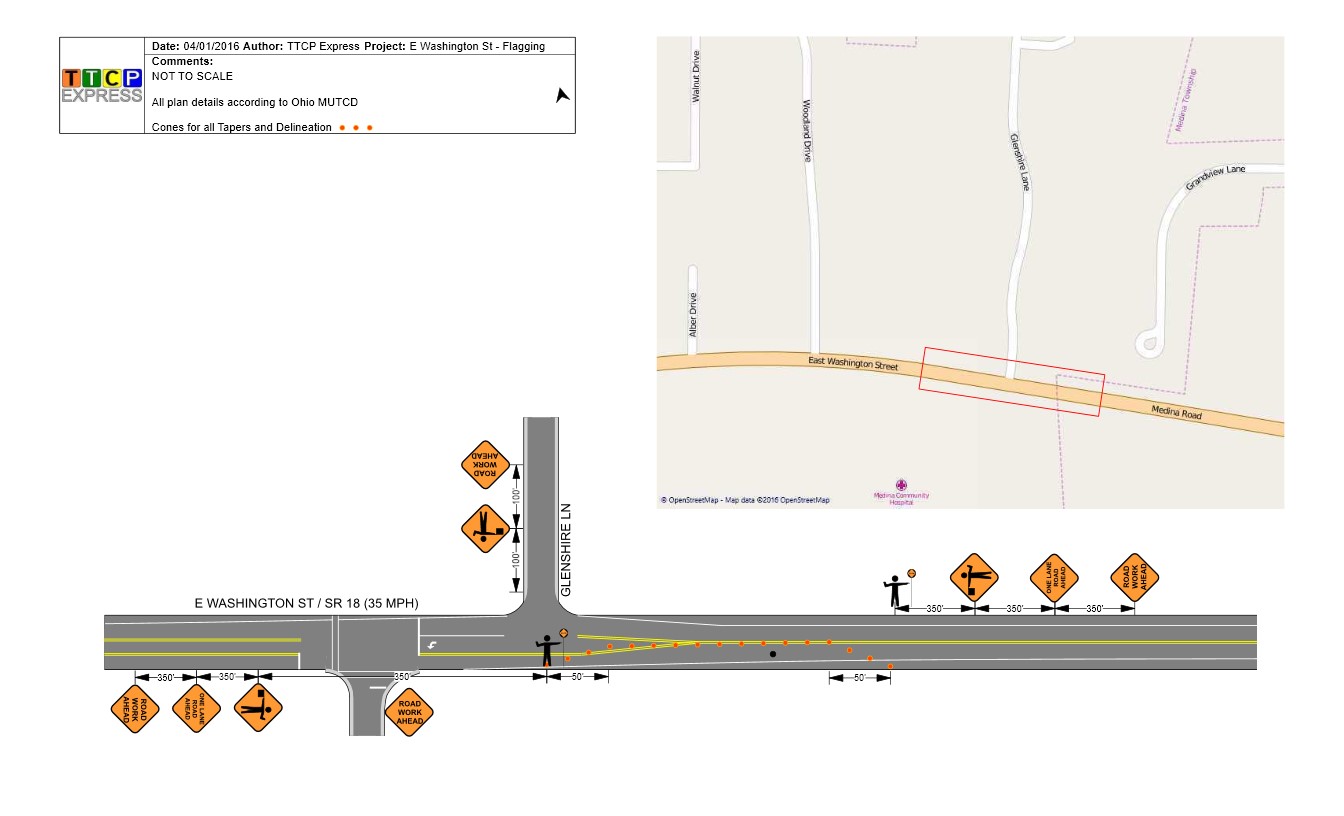
Flagging Operation
Flagging plans are used when a single lane of traffic must alternate between two directions. These plans detail flagger positioning, advance warning signage, and the limits of the work zone to ensure safe and efficient traffic flow. Proper flagger placement and communication protocols are critical components that TCP Edge incorporates into every flagging plan.
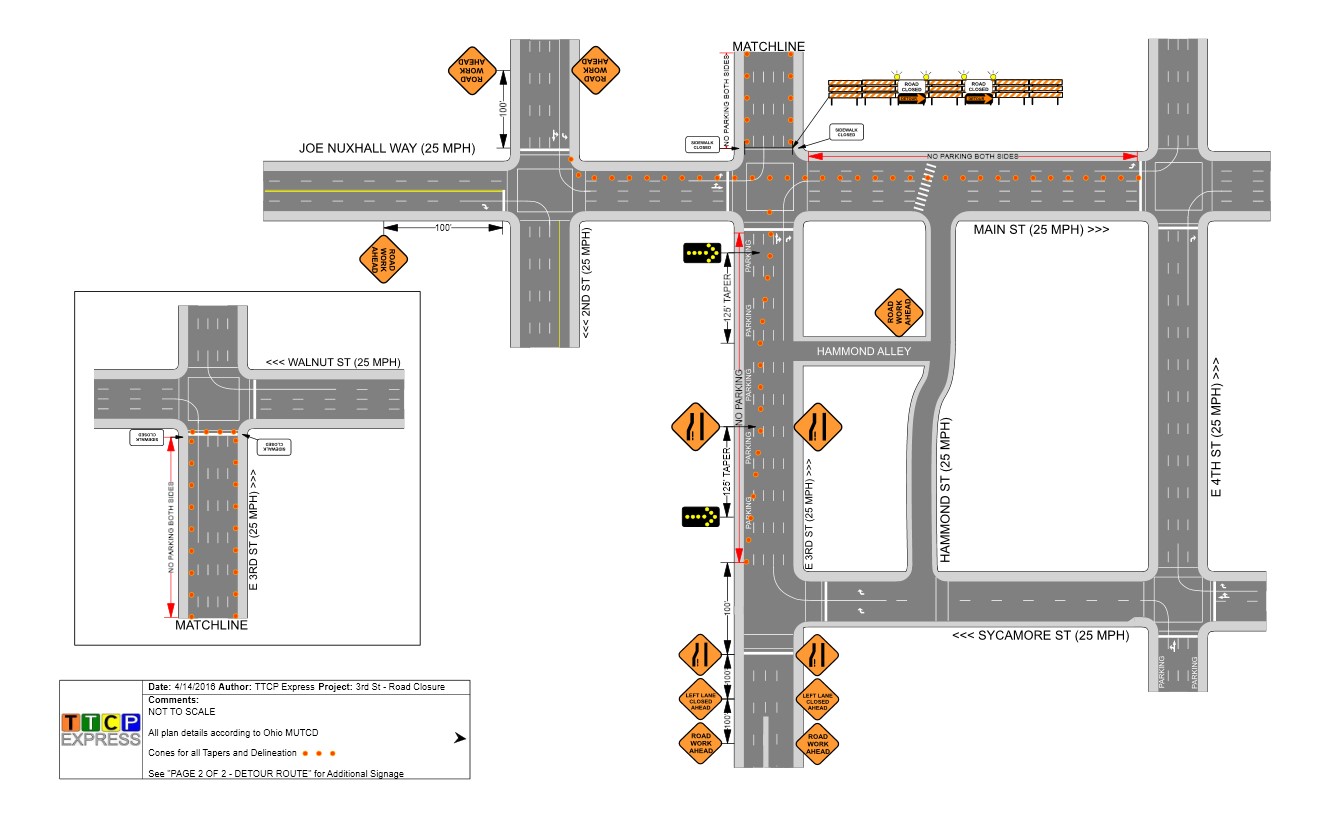
Road Closure
Full road closure plans are required when an entire roadway must be closed to through traffic. These plans include detour routes, complete signing packages for the detour, and all necessary channelizing devices to guide motorists safely around the work zone. Detour routes are carefully selected to minimize impact on surrounding roads and communities.
Lane Shift
Lane shift plans redirect traffic from its normal path to an alternate alignment within or adjacent to the roadway. These are common for bridge work, utility crossings, and long-term construction projects. The plan addresses transition tapers, channelizing device placement, and any necessary speed reductions through the shifted alignment.
Shoulder Closure
Shoulder closure plans are used when work is confined to the shoulder of a roadway. While no travel lanes are closed, proper advance warning signage and channelizing devices are still required to protect workers and alert drivers. These plans are common for guardrail work, drainage repairs, and utility installations along the roadway edge.
Intersection Work
Intersection work plans address the complex traffic movements at cross-streets and intersections. These plans carefully manage all turning movements and pedestrian crossings while maintaining safe access through the work zone. Signal timing adjustments, temporary stop control, and pedestrian detours are all addressed in a comprehensive intersection TCP.
Pedestrian Mitigation
When work zones impact sidewalks, crosswalks, or pedestrian access routes, a dedicated pedestrian mitigation plan is required. These plans incorporate temporary pedestrian crossings, accessible detour routes, ADA-compliant ramps, and pedestrian islands to enhance safety and accessibility for all non-motorized road users throughout the project.
Special Events & Freeway Closures
Large public events and freeway closures require the most comprehensive TCP design. Event plans manage crowd ingress and egress, parking flows, and temporary road closures to optimize public safety. Freeway closure plans address extended taper lengths, advance warning distances, and coordination with state DOT requirements for high-speed, high-volume roadways.
Get Your Traffic Control Plan Designed Today
Contact TCP Edge today. Professional plan design with fast turnaround for all 50 states. No site visits required.
Get Your Plan Now